
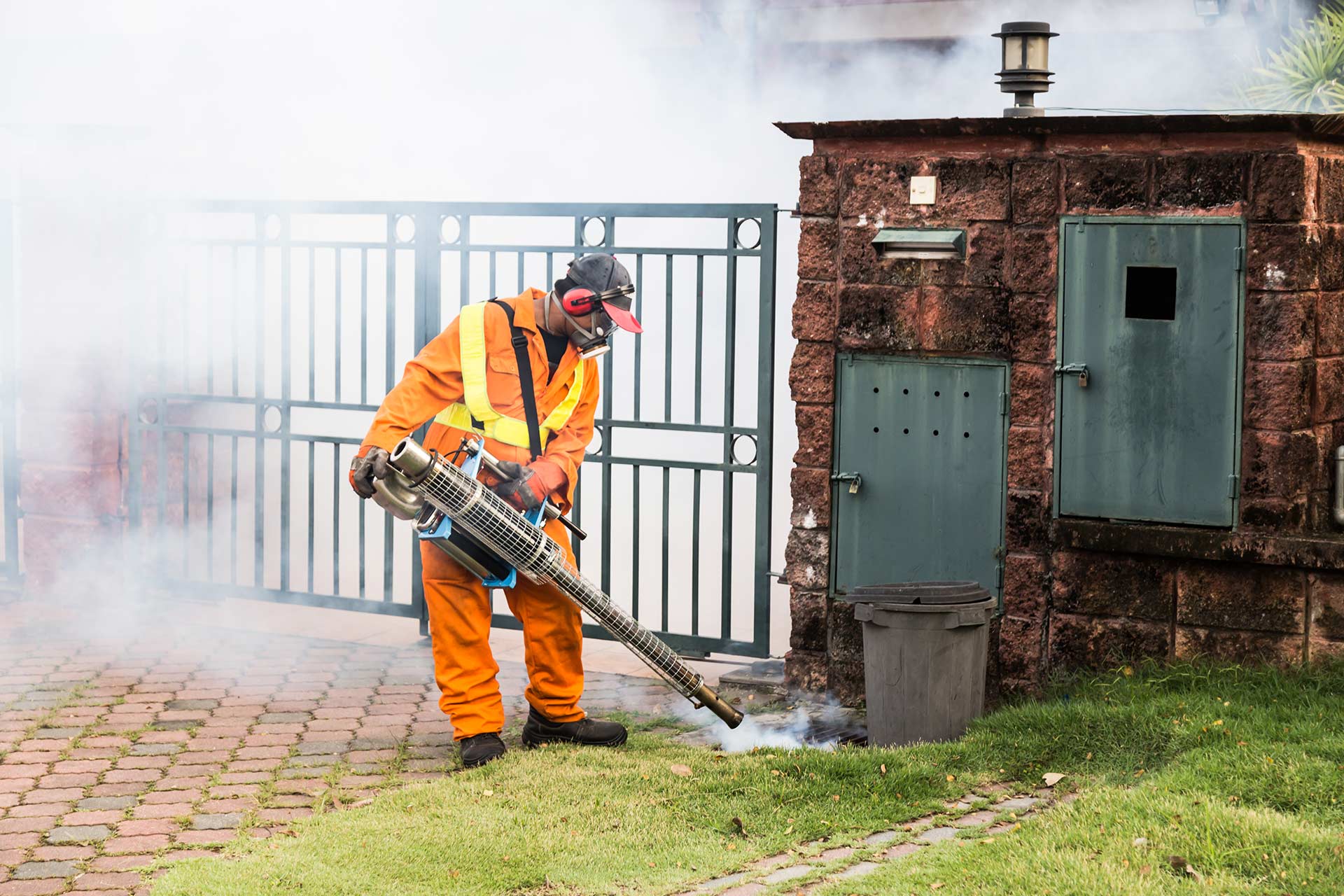
Myth 1: Fumigation is Always Dangerous
Reality: Modern fumigation practices prioritize safety. Professional pest control companies use regulated substances and follow strict safety protocols to protect occupants, pets, and the environment. Proper preparation and post-treatment ventilation ensure that fumigation is safe when done correctly.
Myth 2: Eco-Friendly Fumigation Doesn’t Exist
Reality: Eco-friendly fumigation options are available. Some methods use naturally derived substances or low-toxicity chemicals that are effective against pests while minimizing environmental impact. Additionally, integrated pest management (IPM) strategies combine eco-friendly techniques with traditional methods to reduce reliance on harsh chemicals.
Myth 3: Fumigation Kills All Pests Instantly
Reality: Fumigation is highly effective for specific pests like termites, bed bugs, and rodents, but it may not be a one-size-fits-all solution. Some pests require targeted treatments or a combination of methods for complete eradication. Understanding the pest type and infestation severity helps determine the most effective approach.
Myth 4: Fumigation Leaves Long-Lasting Residues
Reality: Fumigation gases dissipate quickly after treatment, leaving no harmful residues. This means there is minimal risk of exposure to toxic substances once the area has been properly ventilated. Regular cleaning after fumigation can further ensure a safe environment.
Myth 5: DIY Fumigation is Just as Effective
Reality: DIY fumigation can be dangerous and ineffective. Professional fumigation services have the expertise, equipment, and regulated substances to ensure thorough and safe treatment. Attempting DIY fumigation can result in improper application, incomplete pest eradication, and health risks.
What Makes Fumigation Safe and Eco-Friendly?
- Regulated Substances Professional fumigation uses EPA-approved chemicals that are effective against pests and safe for humans and pets when used correctly. These substances are subject to rigorous testing and regulation.
- Proper Preparation and Ventilation Before fumigation, professionals provide detailed instructions for preparation, including sealing food items and ensuring pets and occupants vacate the premises. Post-treatment ventilation clears any remaining gases, making the area safe for re-entry.
- Integrated Pest Management (IPM) IPM combines various pest control methods to minimize environmental impact. This approach includes regular inspections, mechanical traps, biological controls, and eco-friendly chemicals, reducing the need for frequent fumigation.
- Eco-Friendly Alternatives Some eco-friendly fumigation methods use essential oils, diatomaceous earth, or heat treatments that are effective against pests and safer for the environment. These alternatives are especially useful for sensitive areas like homes with children or pets.
Conclusion
Understanding the myths and realities of fumigation can help you make informed decisions about pest control. Safe and eco-friendly fumigation options are available, and professional pest control services can ensure effective and environmentally conscious treatment. For expert fumigation services and eco-friendly pest control solutions, contact Alpha Star Pest Control. Our team is dedicated to providing safe and effective pest management for your home and business.